
Common Car Repair Myths Debunked by Raleigh Professionals

Understanding Car Repair Myths
When it comes to car maintenance, there's no shortage of advice out there. Unfortunately, not all of it is accurate. Let's dive into some common car repair myths and get the facts straight with insights from Raleigh professionals.
Myth 1: You Must Change Your Oil Every 3,000 Miles
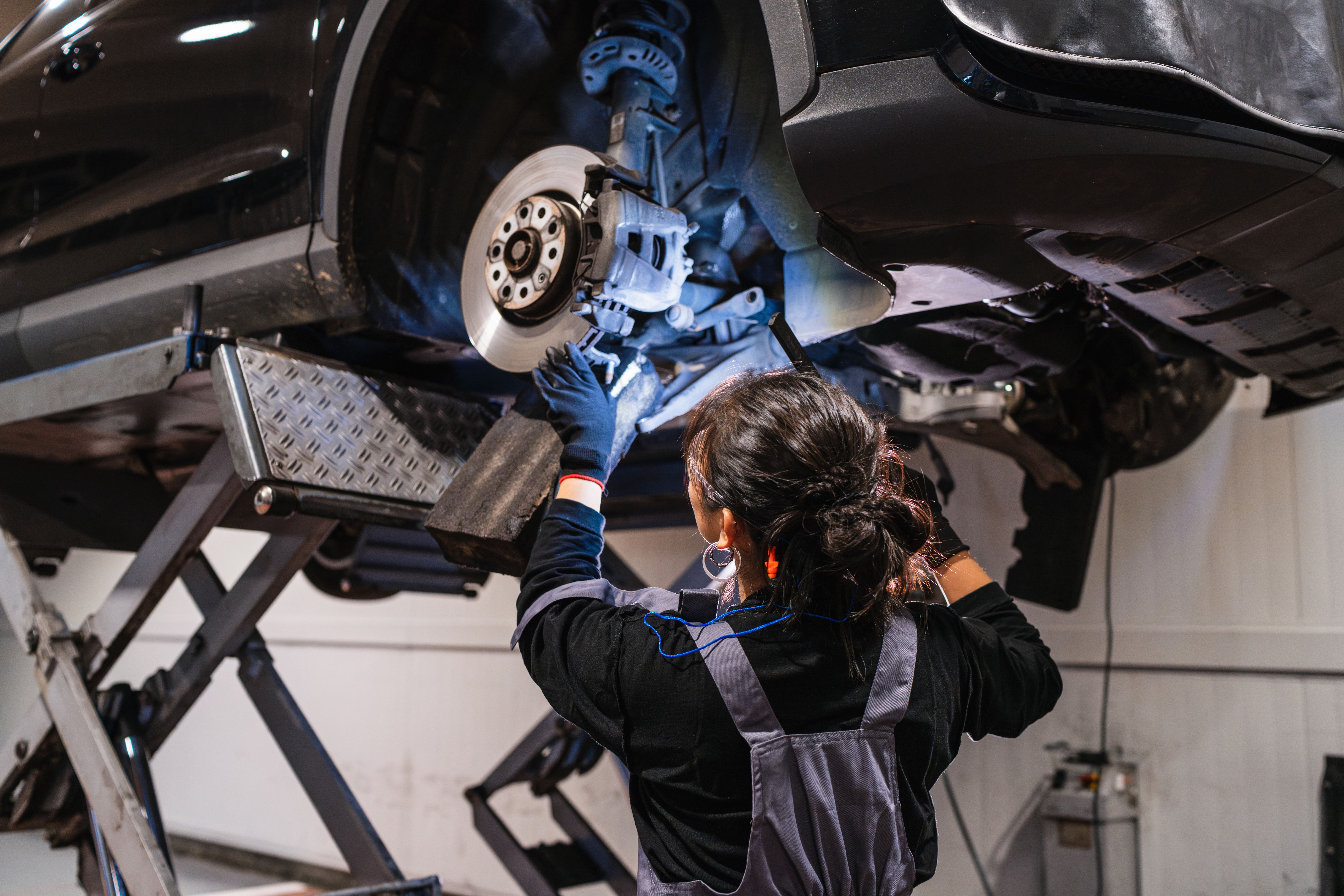
One of the most persistent myths is that you need to change your oil every 3,000 miles. While this might have been true for older vehicles, most modern cars can go much longer between oil changes. Check your owner's manual for the manufacturer's recommendation, which is often between 5,000 and 7,500 miles.
Sticking to the recommended intervals not only saves you money but also reduces environmental waste. So, before booking that extra oil change, make sure it's really necessary.
Myth 2: Premium Fuel Improves Performance
Many drivers believe that using premium fuel will enhance their car's performance. However, unless your vehicle specifically requires premium gasoline, this is simply not the case. Most cars are designed to run efficiently on regular unleaded fuel.
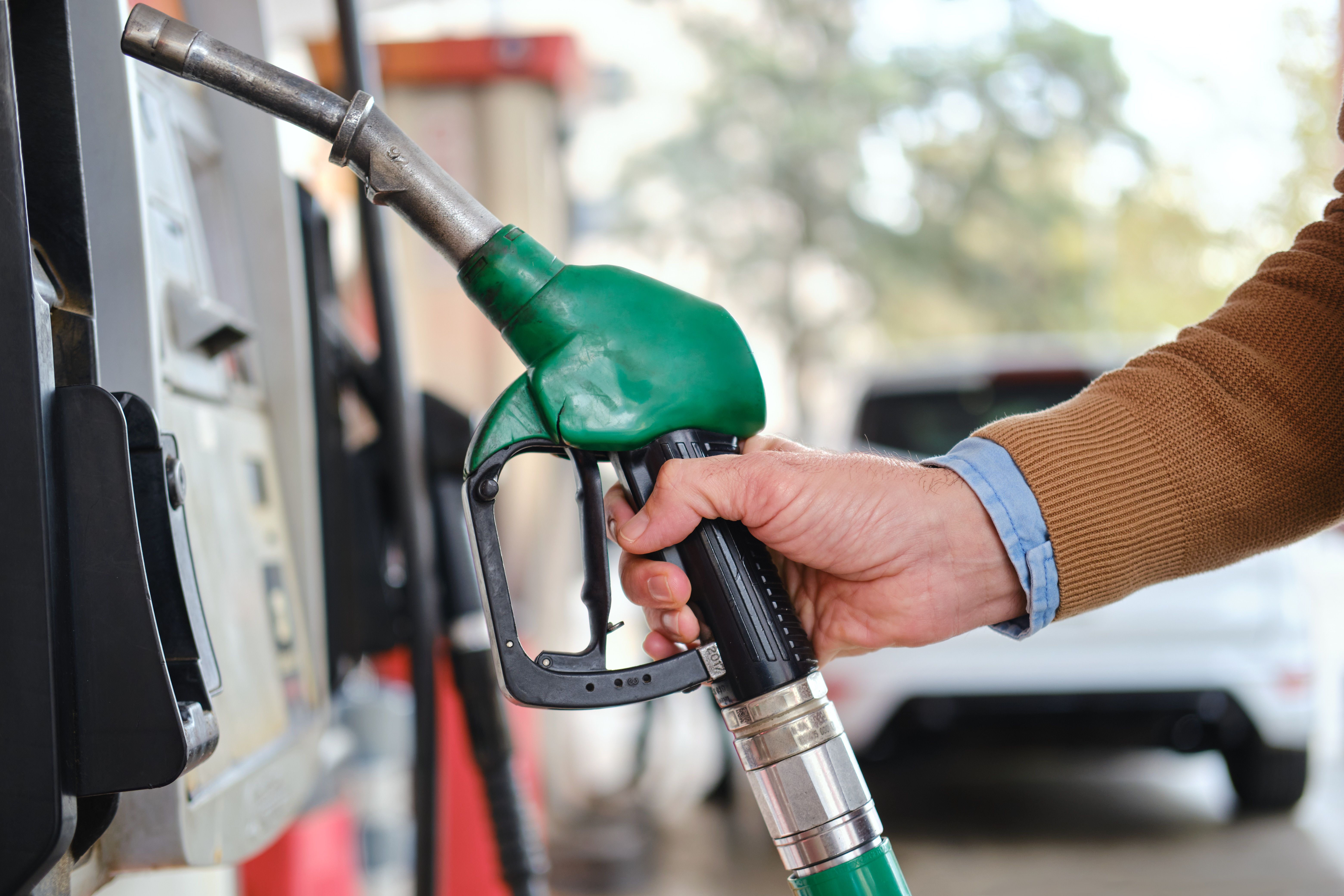
Using premium fuel in a car that doesn't need it won't make it run better, and it could end up costing you significantly more at the pump. Always refer to your vehicle's manual to determine the right type of fuel for your car.
Myth 3: All Mechanics Are the Same
Another common misconception is that all mechanics provide the same level of service. In reality, the quality of service can vary dramatically. It's essential to choose a reputable mechanic who is certified and has a good track record.
Look for reviews and testimonials, and don't hesitate to ask for recommendations from friends or family. A reliable mechanic will diagnose issues accurately and provide fair pricing.
Myth 4: Brake Pads Need Replacement Every 20,000 Miles
While some believe that brake pads must be replaced every 20,000 miles, this is not a one-size-fits-all rule. The lifespan of brake pads depends on several factors, including driving habits, the type of vehicle, and the quality of the pads themselves.
- City driving often leads to more frequent replacements due to stop-and-go traffic.
- Highway driving tends to be less demanding on brake pads.
Your mechanic can assess the condition of your brake pads and recommend when they need replacement based on your specific driving conditions.
Myth 5: Air Conditioning Uses Too Much Fuel
There's a belief that using air conditioning significantly increases fuel consumption. While it's true that running the AC can use more fuel, the effect is often exaggerated. Modern vehicles are designed to run efficiently with the AC on, especially at highway speeds.
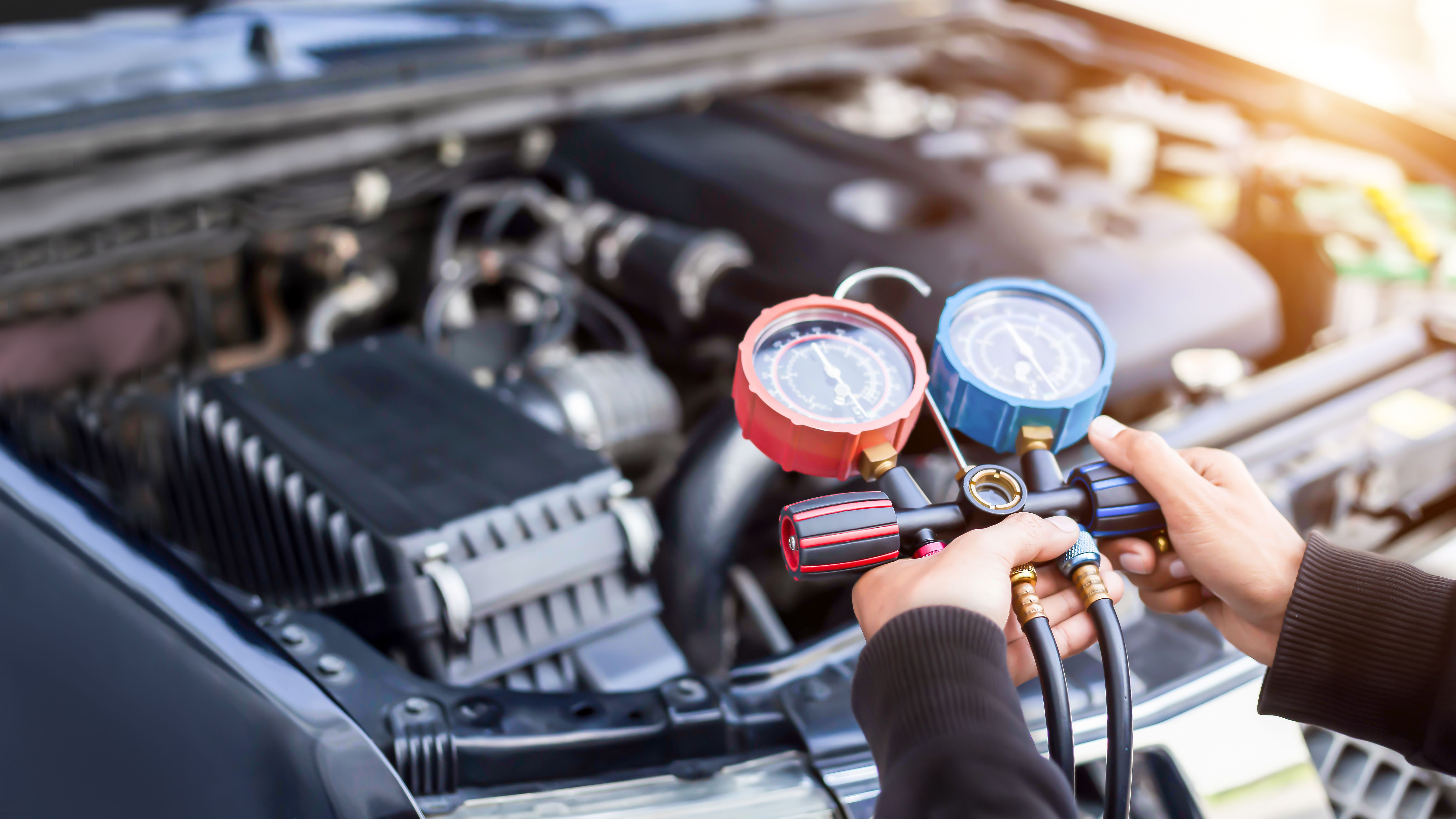
It's often more fuel-efficient to use the AC than to drive with the windows down at high speeds, which can increase drag and reduce fuel economy. Consider your comfort and the driving conditions when deciding whether to use the AC.
Conclusion
Understanding the truth behind these common car repair myths can save you time and money. Trust the experts in Raleigh to provide accurate, reliable information about your vehicle’s maintenance needs. Remember, when in doubt, consult your owner's manual or a trusted mechanic for guidance.