
Common Misconceptions About Tire Replacement and Maintenance


Understanding Tire Replacement and Maintenance
Many drivers have misconceptions about tire replacement and maintenance, leading to costly mistakes and unsafe driving conditions. Understanding these myths can help you make informed decisions and ensure your vehicle's safety and efficiency.
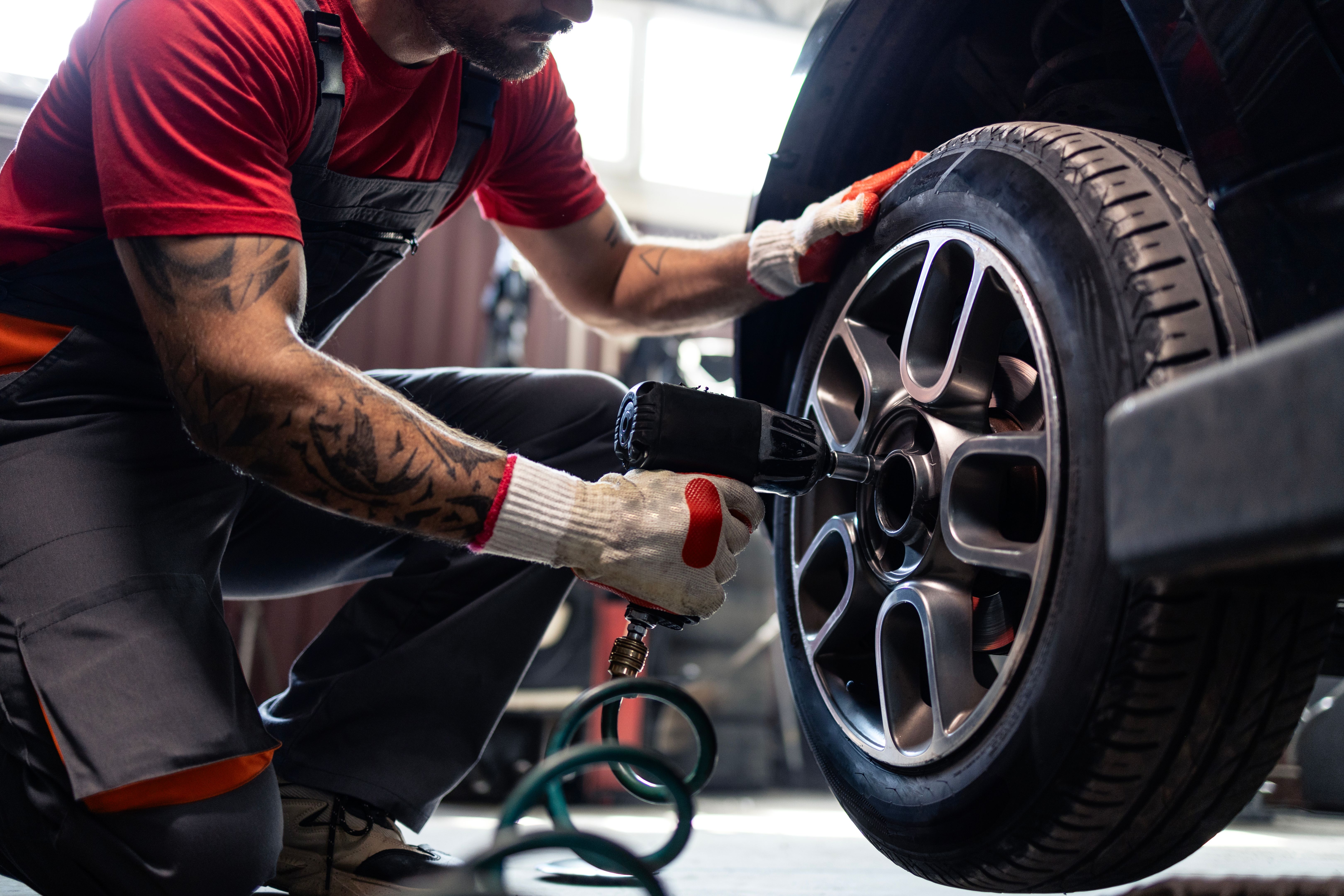
Myth 1: You Only Need to Replace Tires When They Are Worn Out
While it's true that worn-out tires need replacing, other factors also necessitate new tires. Age, weather conditions, and driving habits can affect tire integrity. Experts recommend replacing tires every six years, regardless of tread wear, to ensure optimal performance and safety.
Additionally, visible damage like cracks, bulges, or punctures can compromise tire integrity, even if the tread appears fine. Regular inspections can help identify these issues early.
Myth 2: All Tires Are Created Equal
Another common misconception is that all tires perform the same. In reality, tires are designed for specific vehicles, driving conditions, and climates. Choosing the right tire for your vehicle and driving environment is crucial for maximizing performance and safety.
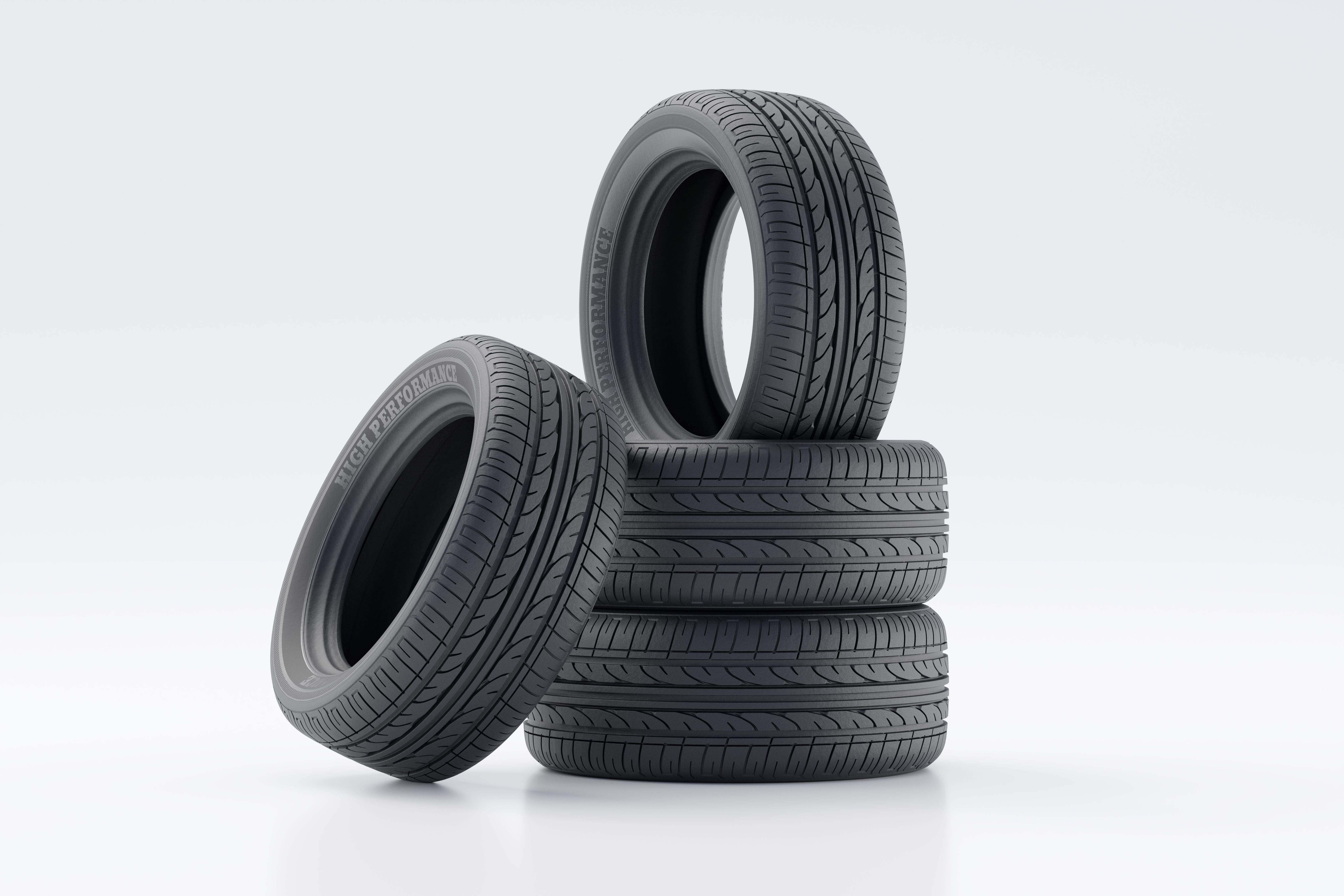
All-season tires, for example, may not provide adequate traction in extreme winter conditions. Similarly, performance tires might not be suitable for off-road driving. Consult your vehicle's manual or a tire professional to find the best option.
Myth 3: Tire Pressure Doesn't Need Frequent Checking
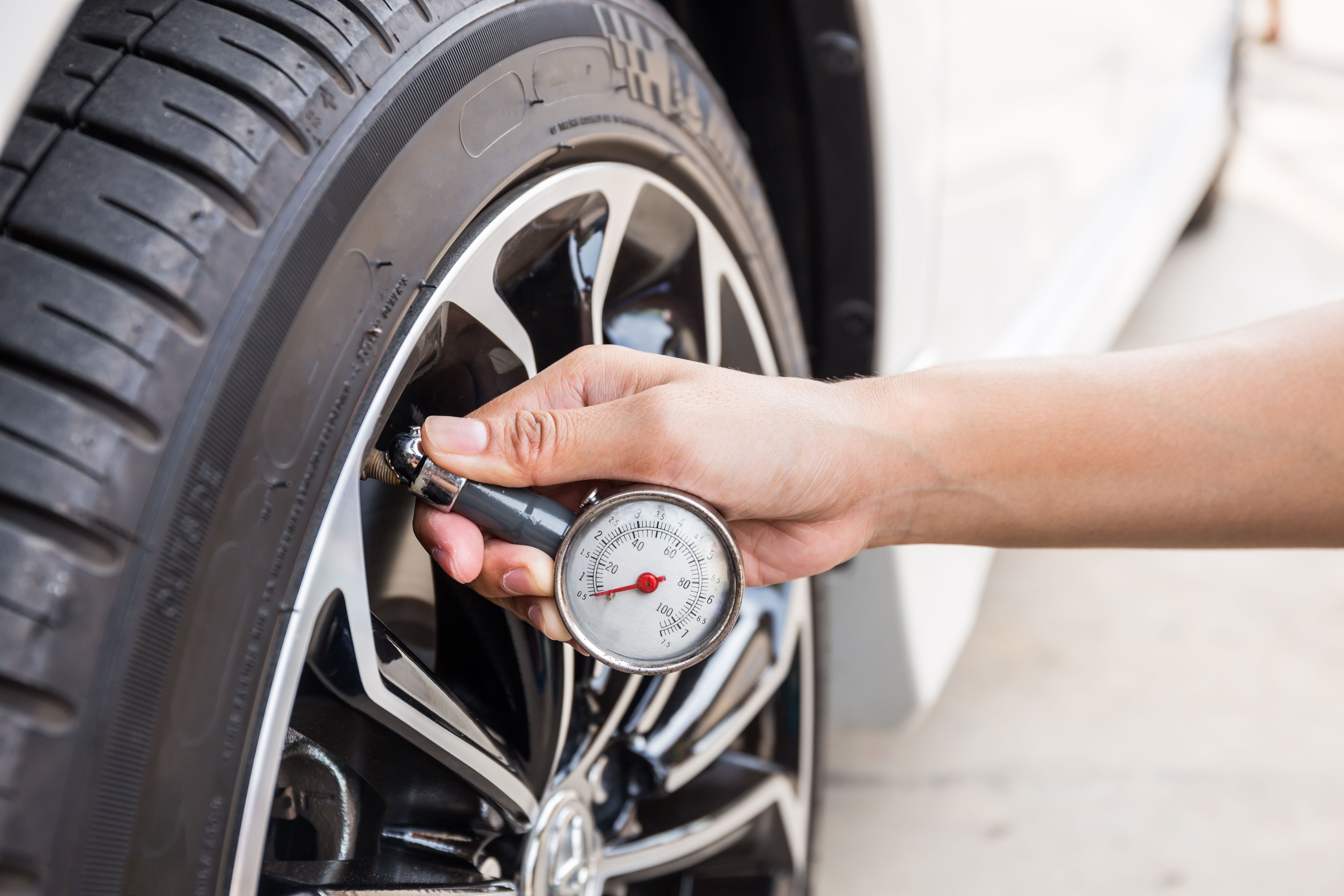
Many drivers neglect checking tire pressure, assuming it remains constant. However, tire pressure can fluctuate due to temperature changes, altitude, or natural air loss. Under-inflated tires can lead to reduced fuel efficiency and increased wear, while over-inflated tires can decrease traction.
- Check tire pressure monthly or before long trips.
- Use a reliable gauge for accurate readings.
- Follow the manufacturer's recommended pressure levels.
Myth 4: Balancing and Alignment Are Unnecessary
Skipping tire balancing and alignment can lead to uneven wear and poor handling. Balancing tires ensures that weight is evenly distributed around the wheel, while alignment adjusts the angles of the wheels to the manufacturer’s specifications.
Neglecting these services can cause vibrations, pulling to one side, and increased tire wear. Regular maintenance checks can prevent these issues and extend the life of your tires.
Conclusion: Debunking Tire Myths for Better Maintenance
Understanding and debunking these common tire misconceptions can help you maintain your vehicle more effectively. Regular checks, informed choices, and timely replacements are key to ensuring safe and efficient driving.
By staying informed, you can avoid unnecessary expenses and keep your vehicle in top condition, providing peace of mind on the road.