
DIY Car Maintenance: What You Can Do and When to Call a Pro

Understanding DIY Car Maintenance
Maintaining your car can be both a rewarding and cost-effective endeavor. By taking on some DIY tasks, you not only save money but also gain a deeper understanding of how your vehicle operates. However, it is crucial to know your limits and recognize when professional help is needed.
Basic Tasks You Can Handle
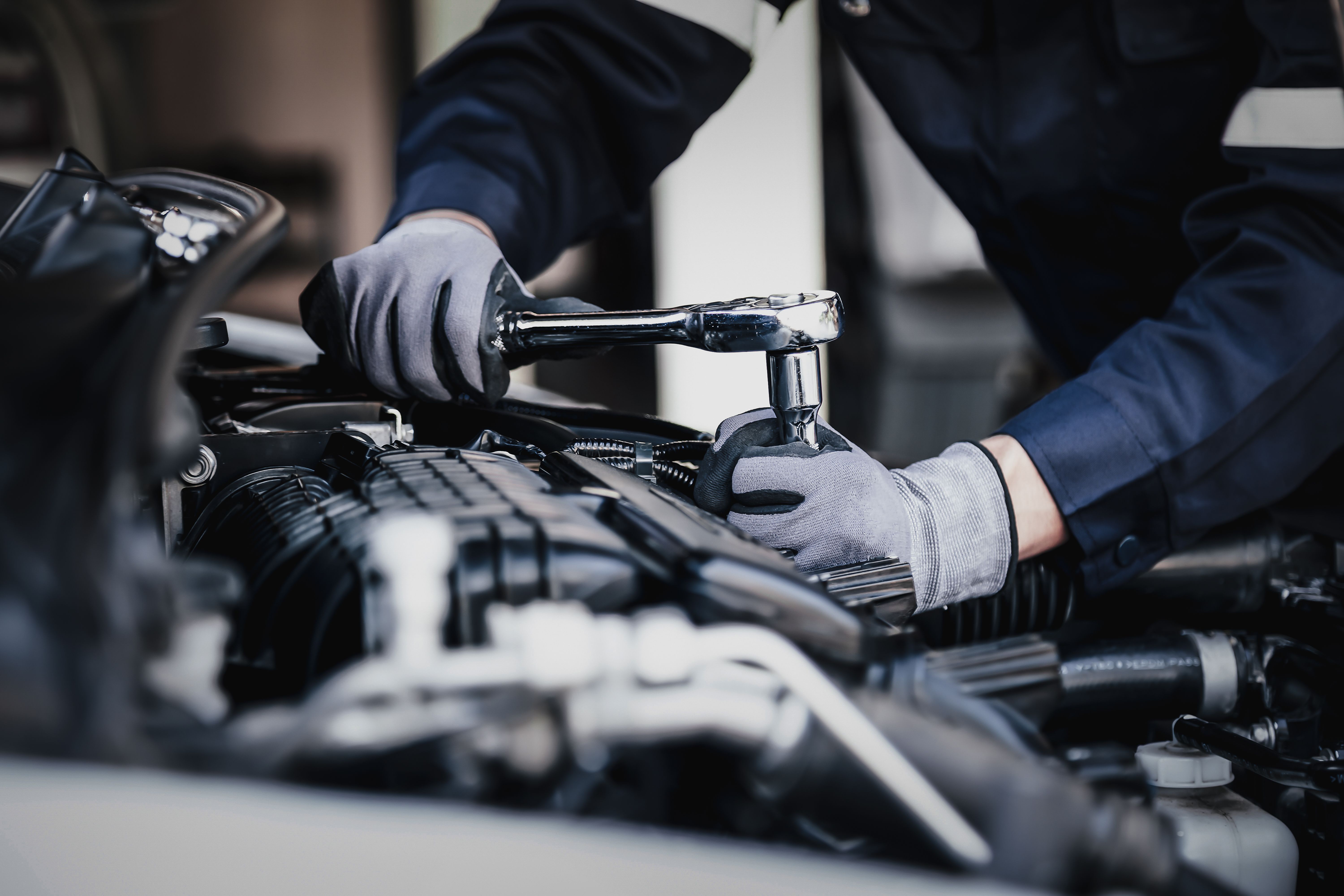
There are several maintenance tasks that most car owners can tackle themselves, even with minimal experience. These tasks are straightforward and require basic tools:
- Oil Changes: Regularly changing your car's oil is essential for engine health. With the right tools and some practice, this is a task you can perform at home.
- Replacing Air Filters: A clogged air filter can reduce fuel efficiency. Replacing it is a simple process that usually takes just a few minutes.
- Battery Maintenance: Checking and cleaning battery terminals can prevent starting issues and prolong battery life.
When to Call a Professional
While DIY can save you money, some tasks are best left to professionals due to their complexity or the need for specialized tools. Here are some situations where you should consider seeking expert help:
- Transmission Repairs: This is a complex system, and any mistakes can lead to costly damage.
- Brake System Overhaul: While you can replace brake pads, a complete overhaul requires expertise to ensure safety.
- Electrical Issues: Modern cars have intricate electrical systems that are best diagnosed by professionals.
Tools You Might Need
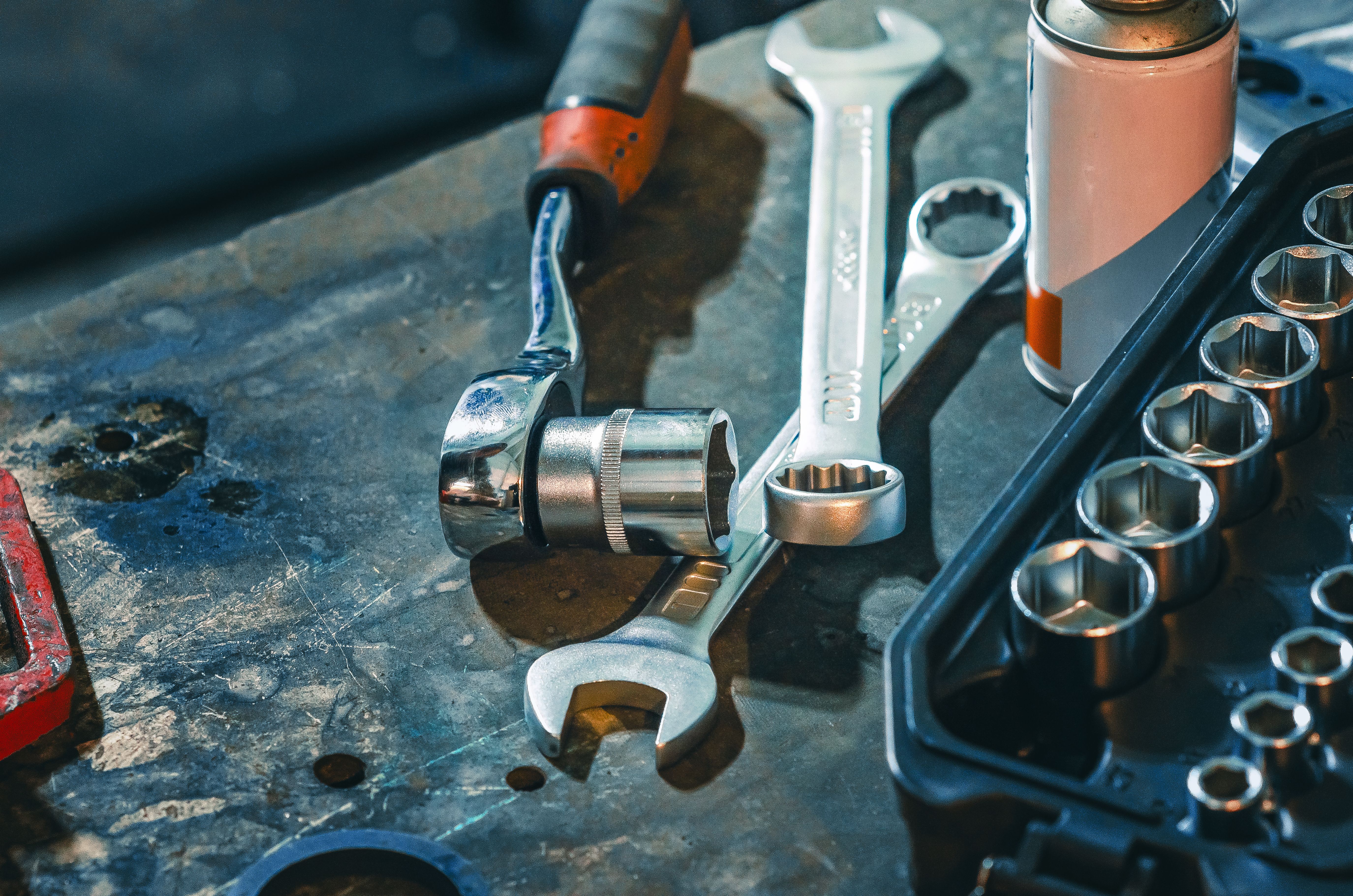
Before diving into DIY car maintenance, ensure you have the right tools. Here are some essentials:
- Socket Set: Useful for a variety of tasks, including oil changes and battery maintenance.
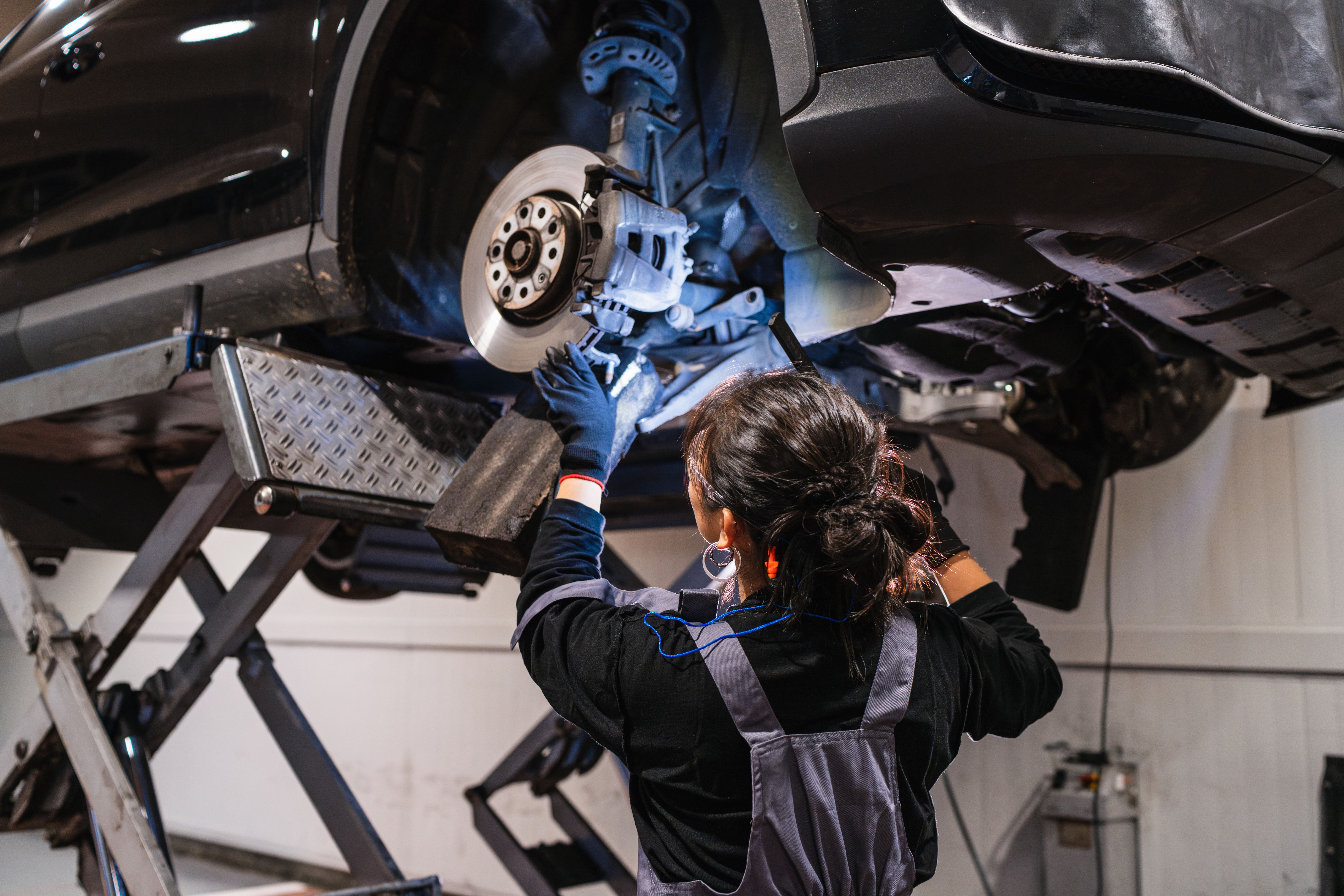
- Jack and Jack Stands: Essential for safely lifting your car for tasks like tire changes.
- Screwdrivers and Wrenches: Basic tools for general maintenance tasks.
Investing in a good set of tools can make your DIY projects more efficient and enjoyable. Additionally, you'll be prepared for unexpected repairs.
Safety First
Safety should always be your top priority when performing car maintenance. Here are some tips to keep in mind:
- Always work on a flat, stable surface.
- Use wheel chocks to prevent the car from rolling.
- Wear protective gloves and goggles when necessary.
By following these safety measures, you can minimize the risk of injury and ensure a successful DIY experience.
Conclusion
DIY car maintenance can be a satisfying way to take care of your vehicle and save money. By handling basic tasks yourself, you build confidence and knowledge. However, knowing when to call a professional is equally important to keep your car in top condition. Balance your efforts wisely, and you'll enjoy the benefits of both DIY and professional expertise.