
How to Diagnose Common Car Problems: A Step-by-Step Tutorial


Understanding Warning Lights
One of the first indicators of a car problem is the appearance of warning lights on the dashboard. These lights can signal issues ranging from low oil pressure to engine malfunctions. Check your car's manual to understand what each light means. If a light appears that you're unfamiliar with, it's essential to address it promptly.
Common Warning Lights
Some common warning lights include the check engine light, oil pressure light, and battery alert. The check engine light can indicate various issues, from a loose gas cap to more severe engine problems. Meanwhile, the oil pressure light suggests that the oil level is low or the oil pump isn't circulating oil properly, which needs immediate attention.
Unusual Noises
Strange noises can often be a sign of underlying issues. Pay attention to clicking, squealing, or grinding sounds as they can indicate specific problems. For instance, a squealing noise might suggest a problem with the serpentine belt, while grinding could mean brake issues.

Listening for Clues
To diagnose the problem, try to identify when the noise occurs. Does it happen when you start the car, accelerate, or brake? This information can help you determine whether it's an issue with the engine, brakes, or another system.
Fluid Leaks
Fluid leaking from your vehicle is never a good sign. Different fluids have distinct colors and smells that can help you identify the source of the problem. For example, engine oil is typically brown or black, while coolant is usually green, yellow, or pink.
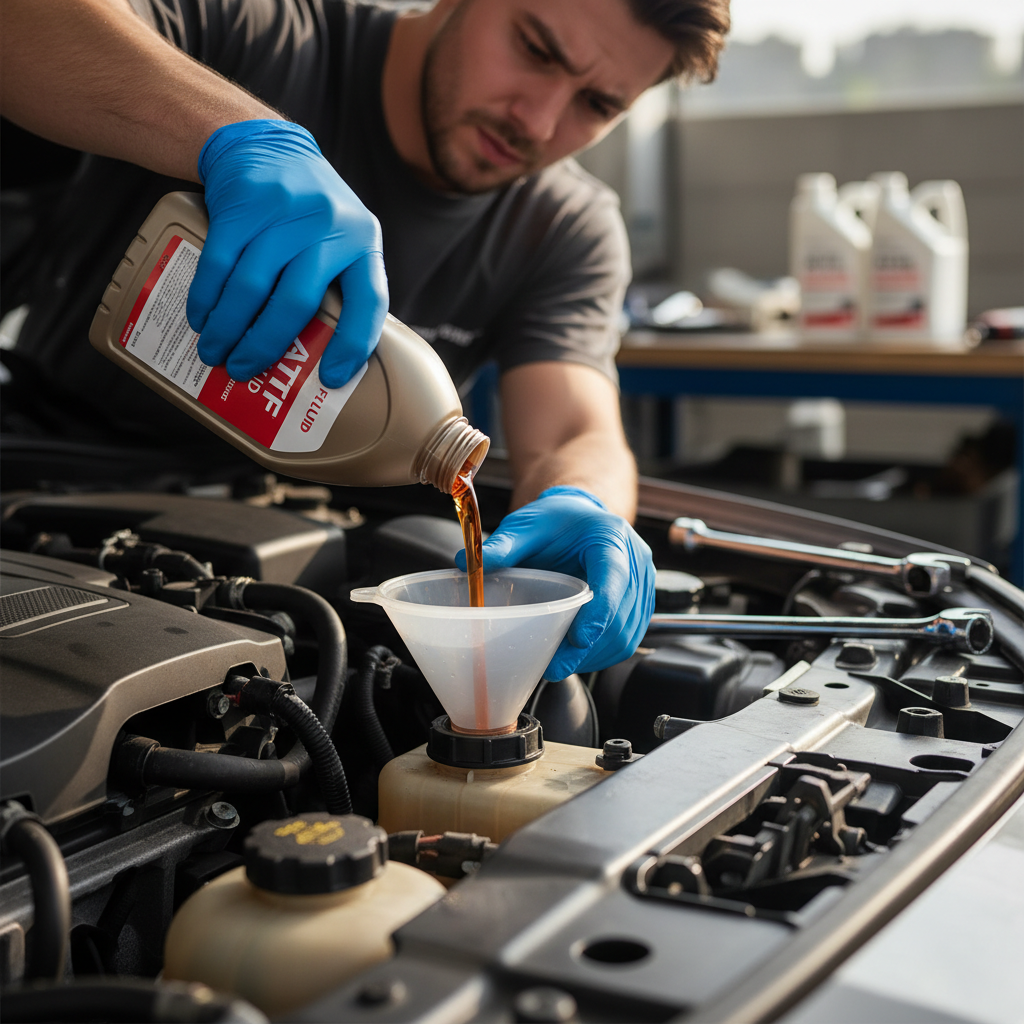
Checking for Leaks
Regularly inspect the ground where you park your car. If you notice any puddles or stains, try to identify the color and location. This can provide clues about whether it's oil, coolant, transmission fluid, or another type of fluid.
Vibrations and Handling Issues
If your car starts vibrating or feels unstable while driving, it could indicate problems with the tires, suspension, or alignment. Uneven tire wear can also cause vibrations and should be addressed promptly to ensure safety.
Testing for Vibrations
To diagnose vibrations, pay attention to when and where they occur. If the car vibrates at high speeds, it could be a tire balance issue. If it happens while braking, it might be related to the brake rotors.

Conclusion
Diagnosing common car problems can save you time and money. By understanding warning lights, listening for unusual noises, checking for fluid leaks, and identifying handling issues, you can address minor problems before they become major repairs. Remember, regular maintenance is key to keeping your vehicle running smoothly.