
How to Troubleshoot Common Car Electrical Issues: DIY Tips


Maintaining your car's electrical system is crucial for its performance and longevity. However, electrical issues can arise unexpectedly, leaving many car owners puzzled. Fortunately, some common electrical problems can be resolved with a little DIY troubleshooting. Below, we explore some typical issues and provide tips on how to address them.
Identifying Electrical Problems
Before diving into solutions, it's important to identify the symptoms of electrical problems. These can include dimming headlights, malfunctioning power windows, or a car that won’t start. Begin by checking the dashboard indicators. Often, a warning light can point you in the right direction.

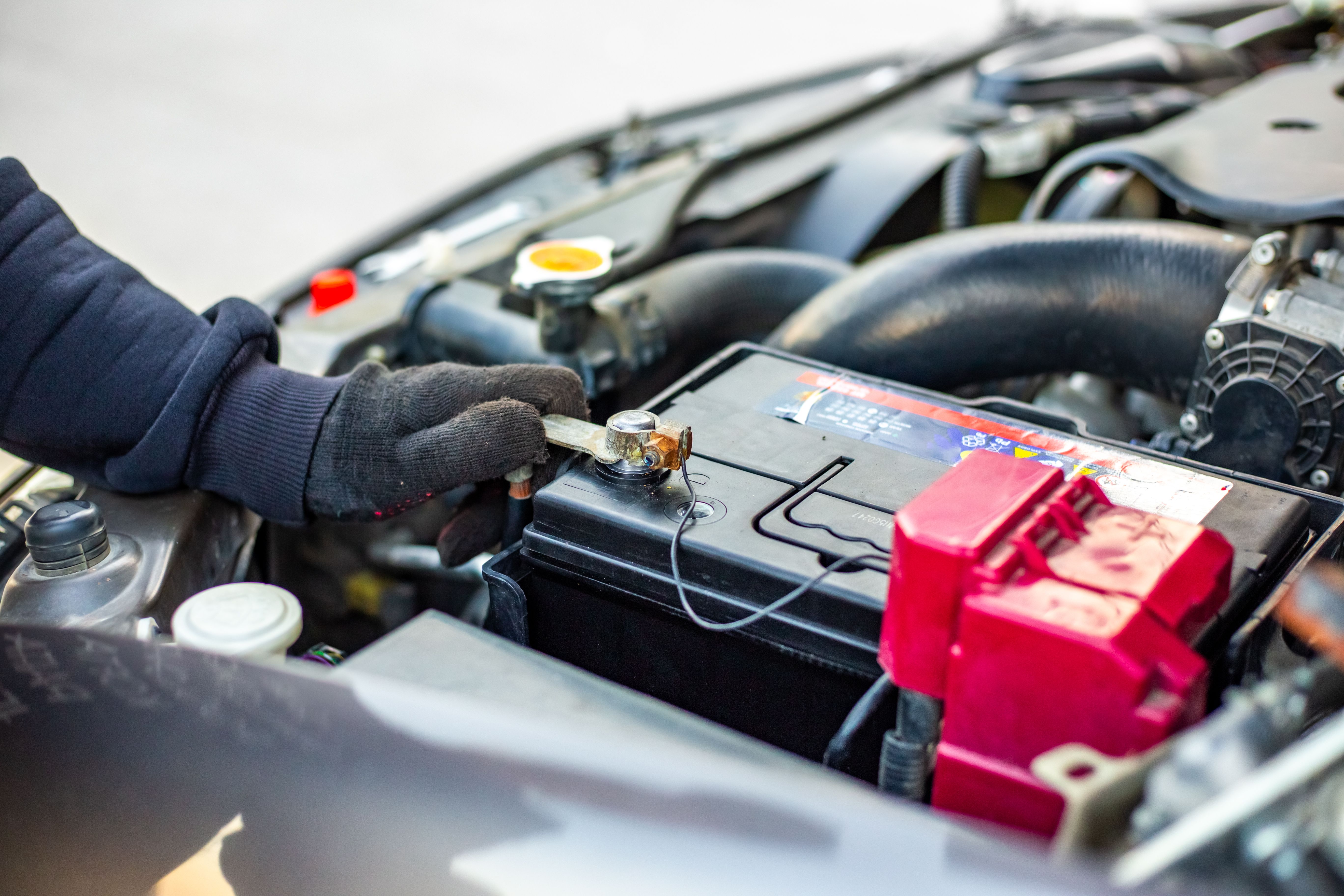
Next, inspect the battery. A dead or weak battery is a frequent culprit. Ensure the battery terminals are clean and securely connected. Corrosion can impede the flow of electricity and is easily cleaned with a mixture of baking soda and water.
Troubleshooting a Dead Battery
If your car won’t start, the battery might be dead. First, try jump-starting the vehicle using jumper cables and a second car. Ensure you connect the positive and negative terminals correctly to avoid damage. If the engine starts, let it run for a few minutes to recharge the battery.
If the battery frequently dies, it might be time for a replacement. However, before purchasing a new battery, check for any signs of a parasitic drain, which could be sapping power even when the car is off.
Checking for Parasitic Drain
To test for a parasitic drain, you’ll need a multimeter. Set the multimeter to measure amperage and connect it between the negative battery terminal and the disconnected negative cable. A reading above 50 milliamps usually indicates a problem. Start pulling fuses one by one to find the circuit causing the drain.
Dealing with Faulty Alternators
The alternator charges the battery while the engine runs. If your battery keeps dying, a faulty alternator might be to blame. Listen for unusual sounds like grinding or whining, which can signal an issue. You can test the alternator using a multimeter set to measure voltage. A healthy alternator should produce between 13.8 and 14.2 volts.
If the alternator is the problem, it will need repair or replacement. This task might require professional assistance unless you have experience with car repairs.
Troubleshooting Electrical Components
Inspecting Fuses and Relays
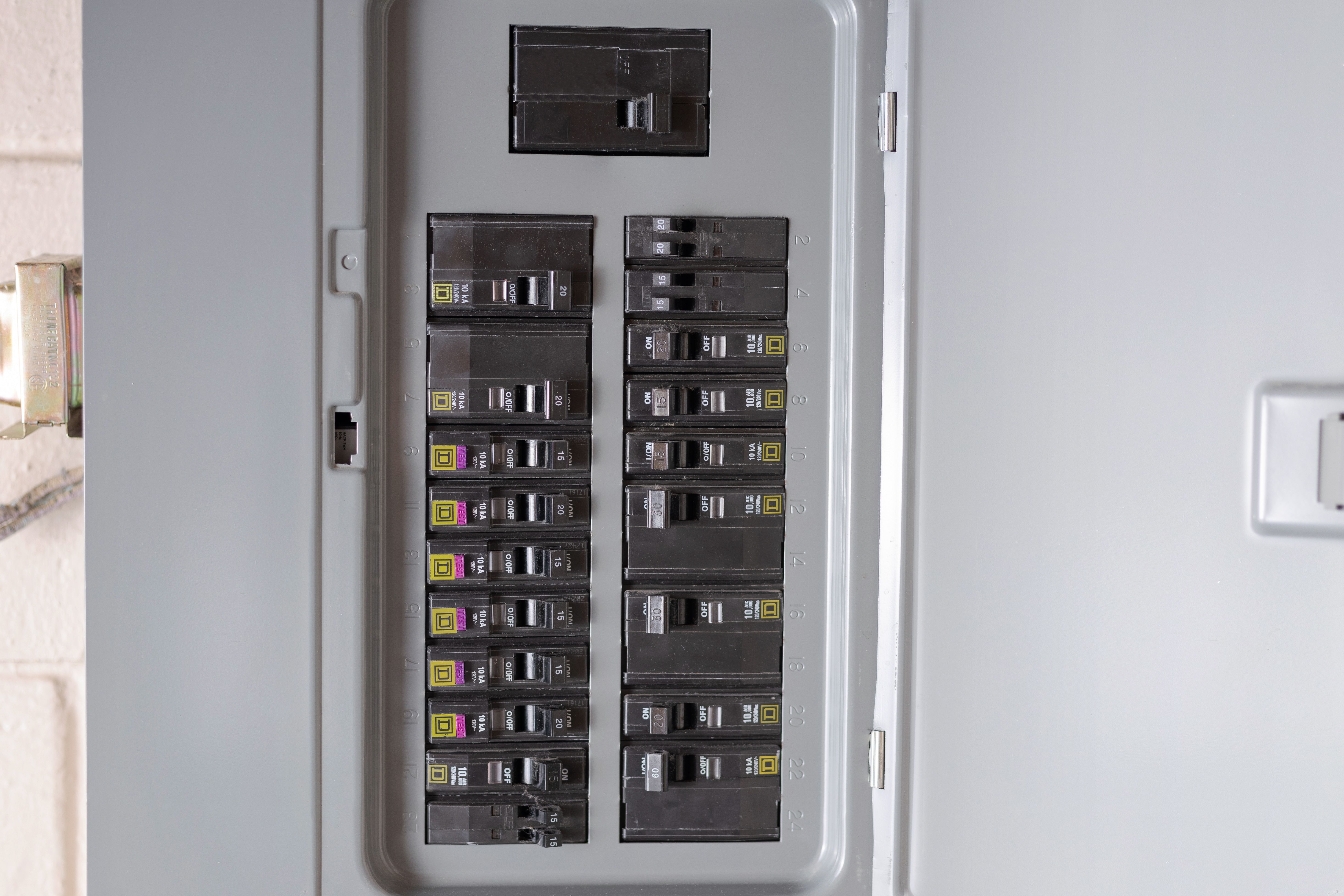
Fuses protect electrical circuits from overload. If a specific component, like your radio or headlights, isn’t working, a blown fuse could be the reason. Locate the fuse box, usually found under the dashboard or hood, and check for any burnt fuses. Replace any damaged fuses with ones of the same amperage.
Relays can also cause electrical problems. They are used to control high-power components. If replacing a fuse doesn’t solve the problem, a faulty relay might be the next suspect. Swapping it with a similar relay can test if it’s the issue.
Conclusion
Troubleshooting car electrical issues doesn’t have to be daunting. By following these DIY tips, you can often identify and resolve common problems yourself. However, if the issue persists or you’re unsure, consulting with a professional mechanic is always a wise choice. Regular maintenance and inspection will help keep your car running smoothly and prevent future electrical problems.