
Mastering Vehicle Diagnostics: What Raleigh Drivers Need to Know

Understanding Vehicle Diagnostics
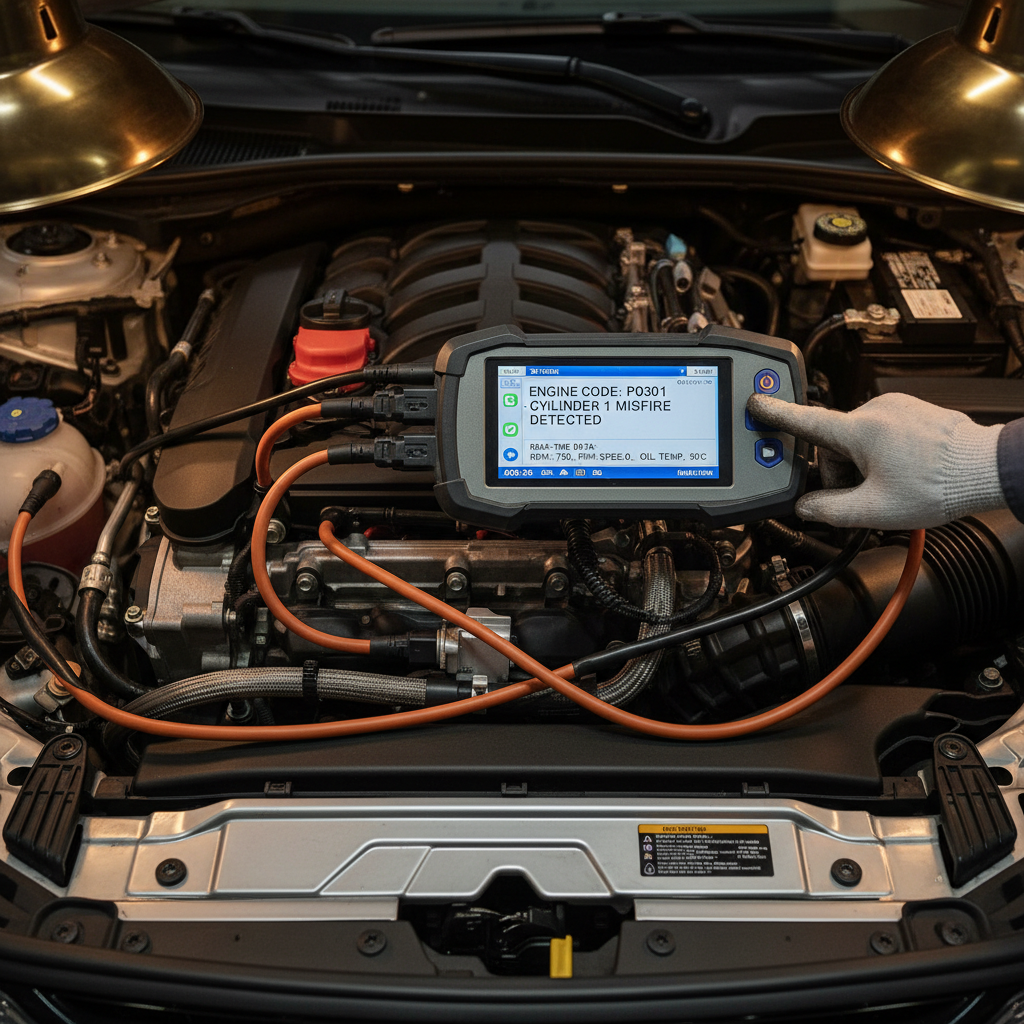
As technology continues to advance, vehicle diagnostics have become an essential part of car maintenance. For Raleigh drivers, understanding these systems can help keep your vehicle running smoothly and efficiently. Vehicle diagnostics involve using specialized tools to identify issues within your car's electronic systems. These tools connect to your car's onboard computer to retrieve error codes and data.
The Importance of Regular Diagnostics
Regular diagnostics can prevent minor issues from becoming major problems. By identifying issues early, you can save time and money on repairs. Raleigh's diverse climate can affect vehicle performance, making diagnostics even more crucial. Routine checks help ensure optimal performance and safety.
Ignoring warning lights on your dashboard can lead to costly repairs. These lights are your car's way of alerting you to potential problems. Addressing them promptly can extend your vehicle's lifespan and improve fuel efficiency.
How Vehicle Diagnostics Work
Modern vehicles are equipped with an onboard diagnostics system (OBD) that monitors various components. When an issue arises, the OBD generates a trouble code. Technicians use diagnostic tools to read these codes and pinpoint the problem. This process is efficient and accurate, allowing for precise repairs.
DIY Diagnostics: Pros and Cons
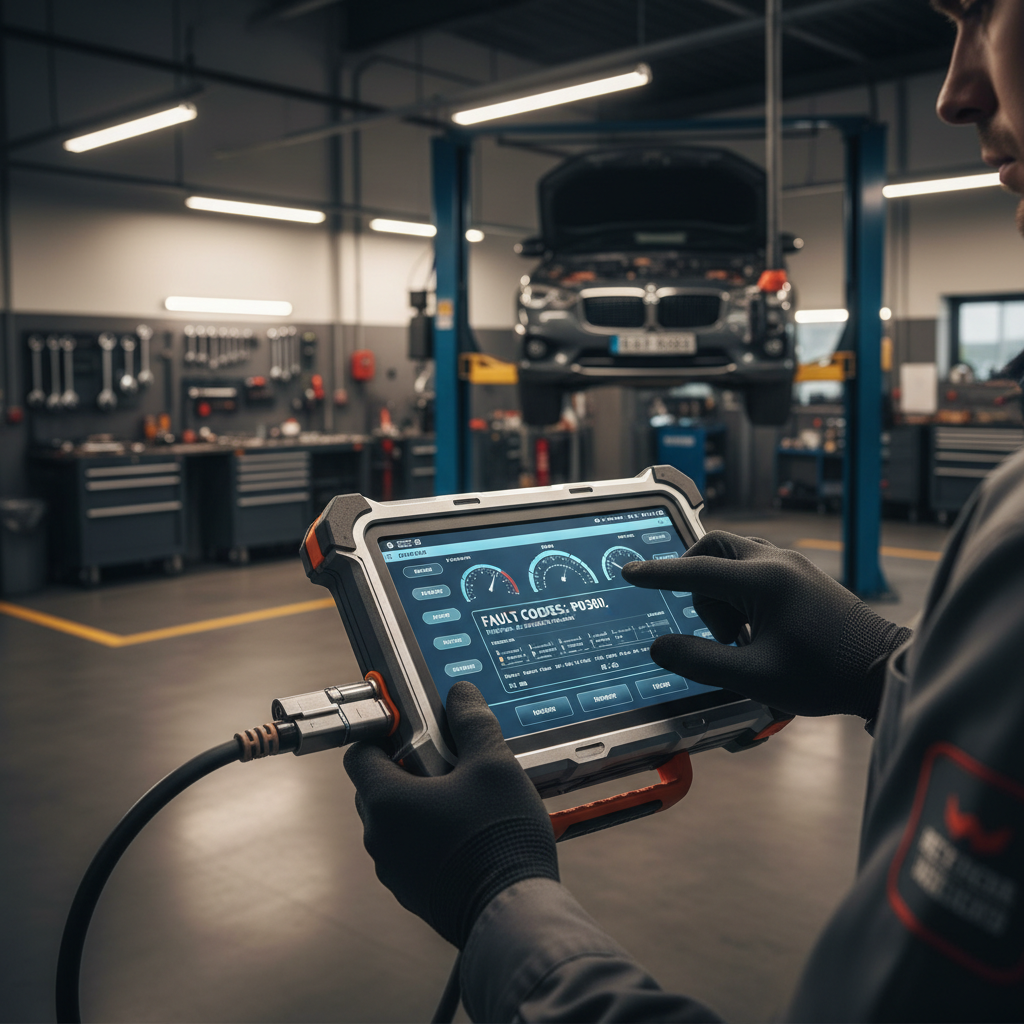
Some Raleigh drivers may be tempted to perform diagnostics themselves using OBD-II scanners. While this can be a cost-effective solution for minor issues, it has its limitations. Professional mechanics have access to advanced diagnostic tools and training, providing a more comprehensive analysis.
DIY diagnostics can be useful for identifying simple issues like a loose gas cap or low oil levels. However, complex problems often require professional expertise to ensure proper repair and safety.
Choosing the Right Diagnostic Service
When selecting a diagnostic service in Raleigh, consider the experience and reputation of the mechanic. Look for shops that specialize in your vehicle's make and model, as they are more likely to have the necessary expertise and tools. Reading reviews and seeking recommendations can also help you make an informed decision.
Staying Ahead with Preventative Maintenance
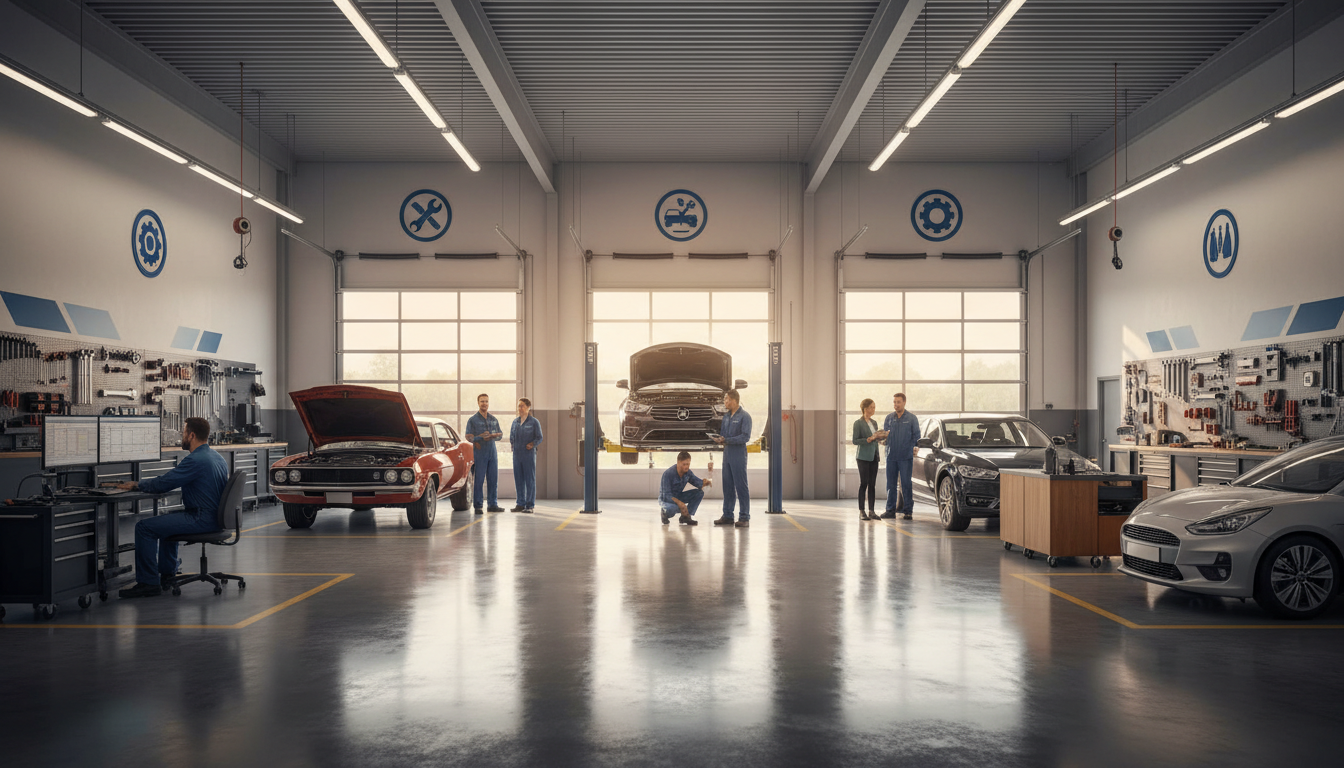
In addition to diagnostics, regular preventative maintenance is key to a long-lasting vehicle. This includes routine oil changes, tire rotations, and brake inspections. By staying proactive, Raleigh drivers can avoid unexpected breakdowns and costly repairs.
Maintaining a well-documented service history can also increase your car's resale value. Buyers are more likely to trust a vehicle with a consistent maintenance record.
Conclusion
Mastering vehicle diagnostics is essential for Raleigh drivers who want to keep their cars in top condition. By understanding how diagnostics work and choosing the right services, you can ensure your vehicle remains safe and reliable. Regular checks and preventative maintenance not only save money but also provide peace of mind while driving.