
Myths About Vehicle Diagnostics: Separating Fact from Fiction


Understanding Vehicle Diagnostics
Many car owners find vehicle diagnostics a bit of a mystery. The term often conjures images of complex machines and flashing lights. However, understanding the basics of vehicle diagnostics is essential for every driver. Let's explore some common myths and uncover the truth.
Vehicle diagnostics involve using specialized software and tools to identify issues within a car's systems. This process can reveal problems with the engine, transmission, exhaust system, brakes, and more.
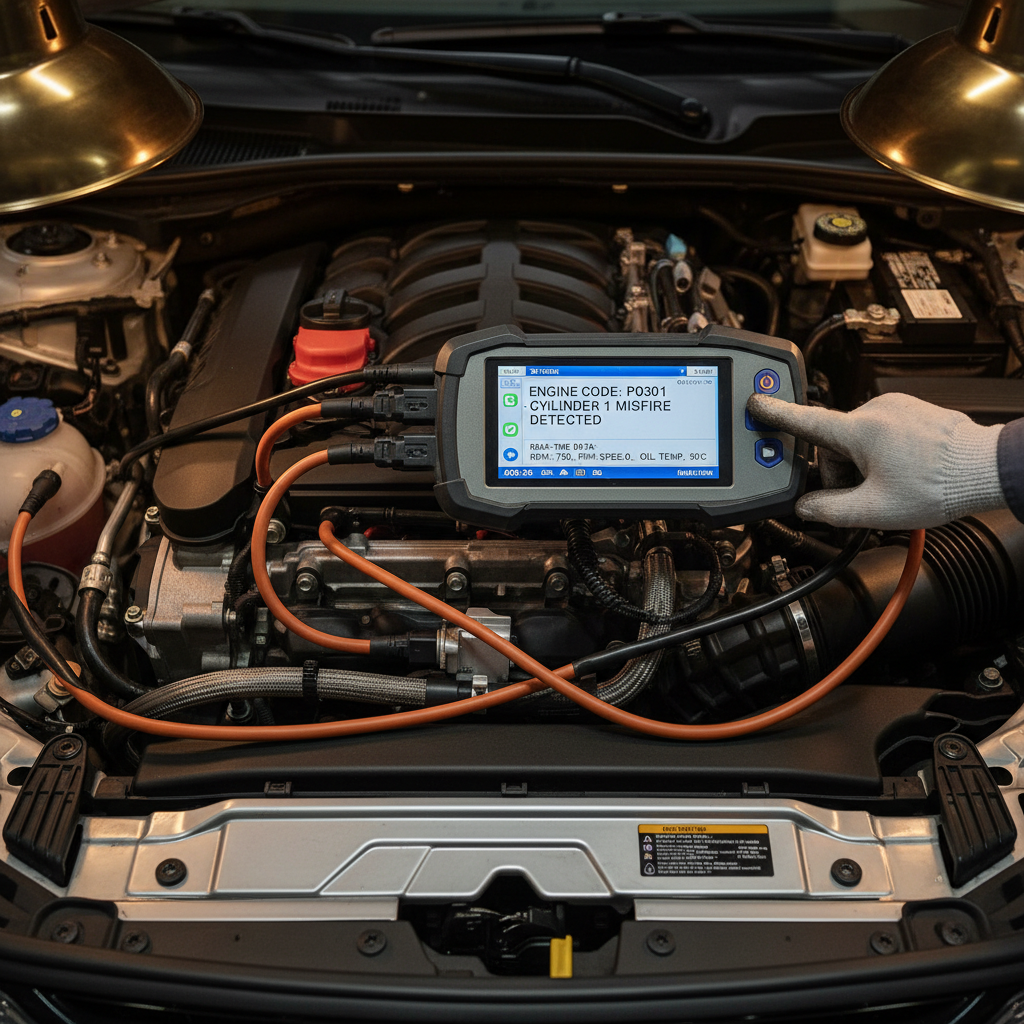
Myth 1: Diagnostics Are Only for Experts
One prevalent myth is that diagnostics are solely for mechanics or automotive experts. In reality, many modern vehicles come equipped with onboard diagnostics (OBD) systems that allow drivers to perform basic checks themselves. With a simple OBD-II scanner, you can retrieve diagnostic trouble codes (DTCs) and understand what's happening under the hood.
While professional expertise is invaluable for complex issues, basic diagnostic checks are accessible to anyone willing to learn.
Myth 2: Diagnostics Are Expensive
Another common misconception is that vehicle diagnostics come with a hefty price tag. Although some diagnostic services can be costly, many auto shops offer basic checks at a reasonable price or even for free. Moreover, investing in a personal OBD-II scanner can save money in the long run by allowing you to perform regular checks at home.

Myth 3: Diagnostics Always Reveal Serious Issues
Many assume that a diagnostic check will inevitably uncover severe problems. While diagnostics can identify major issues, they are just as likely to highlight minor ones. Early detection of small problems can prevent them from escalating, ultimately saving you money and extending your vehicle's lifespan.
Routine diagnostics are a proactive approach to car maintenance, helping you address issues before they become significant headaches.
Myth 4: Warning Lights Are the Only Indicator
It's easy to rely solely on dashboard warning lights as indicators of vehicle health. However, diagnostics can uncover issues that haven't yet triggered a warning light. Relying exclusively on these lights can lead to overlooking potential problems.

Regular checks using diagnostic tools can provide a more comprehensive view of your vehicle's condition, ensuring that you catch problems early on.
The Benefits of Regular Diagnostics
Engaging in regular vehicle diagnostics offers several advantages. Not only do these checks enhance your car's performance, but they also contribute to safety on the road. By maintaining a well-functioning vehicle, you reduce the risk of unexpected breakdowns and costly repairs.
Furthermore, a well-documented diagnostic history can increase the resale value of your car, as it demonstrates diligent maintenance to potential buyers.
Conclusion: Embrace the Technology
In today's world, vehicle diagnostics are more accessible than ever. By separating fact from fiction, you can take control of your vehicle's health. Embrace the technology, and don't let myths deter you from keeping your car in top shape.
Remember, knowledge is power. Understanding your vehicle's diagnostics can lead to smarter decisions and a smoother driving experience.