
Top 5 Suspension System Issues and How to Spot Them Early


Maintaining your vehicle's suspension system is crucial for a smooth and safe driving experience. Ignoring early signs of trouble can lead to costly repairs and even compromise your safety on the road. Here, we'll explore the top five suspension system issues and how you can spot them before they become serious problems.
1. Uneven Tire Wear
One of the most common signs of suspension trouble is uneven tire wear. If you notice that your tires are wearing out faster on one side or the tread pattern is inconsistent, it could indicate an issue with your suspension. This might be due to misaligned wheels or worn-out suspension components.
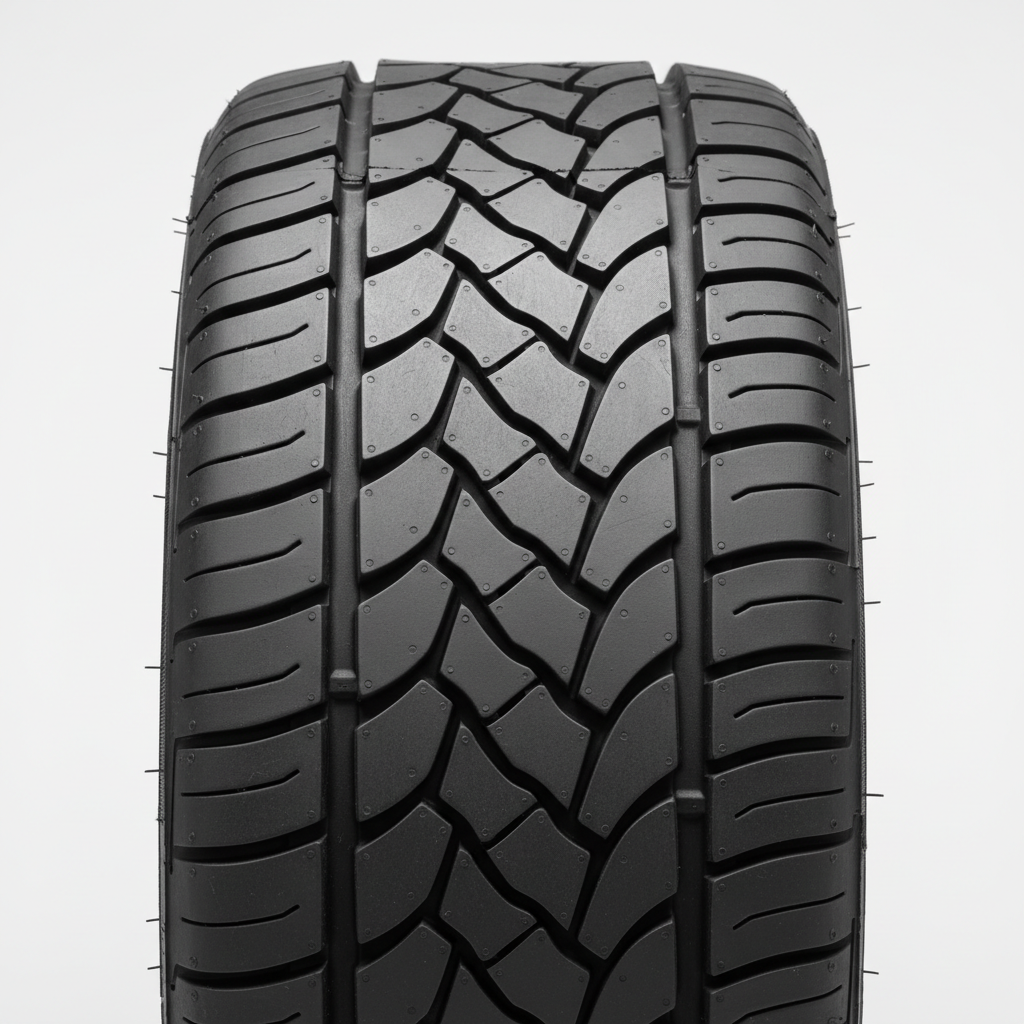
Regularly checking your tire tread and ensuring proper wheel alignment can prevent this problem. If you spot uneven wear, it's wise to consult a professional to assess your suspension system.
2. Bumpy Rides
If you start to feel every bump and pothole on the road, your suspension system might be the culprit. A bumpy ride often indicates that the shock absorbers or struts are worn out. These components are designed to absorb the impact from the road, providing a smooth ride.

To check for this issue, perform a simple bounce test. Push down on the hood of your car and release. If the car continues to bounce more than once or twice, it’s time to have your suspension inspected.
3. Pulling to One Side
Does your car pull to one side while driving? This could be a sign of suspension misalignment or uneven tire pressure. While driving, if you feel the need to constantly correct your steering, it’s time to investigate further.
Start by checking your tire pressure and adjusting it as needed. If the problem persists, have a professional inspect your suspension and alignment.
4. Noisy Suspension
Strange noises coming from your suspension system, such as clunking or squeaking, are warning signs. These sounds often indicate worn or damaged components like bushings, ball joints, or struts.

Ignoring these noises can lead to further damage. Have a mechanic check your suspension to identify and replace any faulty parts.
5. Sagging or Uneven Vehicle Height
If your vehicle appears to be sagging or sitting unevenly, it might be an issue with your suspension springs. Broken or weakened springs can cause your car to lean to one side, affecting handling and comfort.
Inspect the vehicle from different angles to see if it sits level. If you notice any sagging, it’s essential to address the issue promptly to maintain safe handling.
Regular maintenance and early detection are key to avoiding major suspension issues. By staying vigilant and addressing these signs early, you can ensure your vehicle remains safe and comfortable to drive.