
Understanding Suspension System Repairs: A Comprehensive Guide


Introduction to Suspension Systems
The suspension system is a critical component of any vehicle, ensuring a smooth and comfortable ride while maintaining control and stability. Understanding how it works and recognizing when repairs are needed can help you maintain your vehicle's performance and safety.
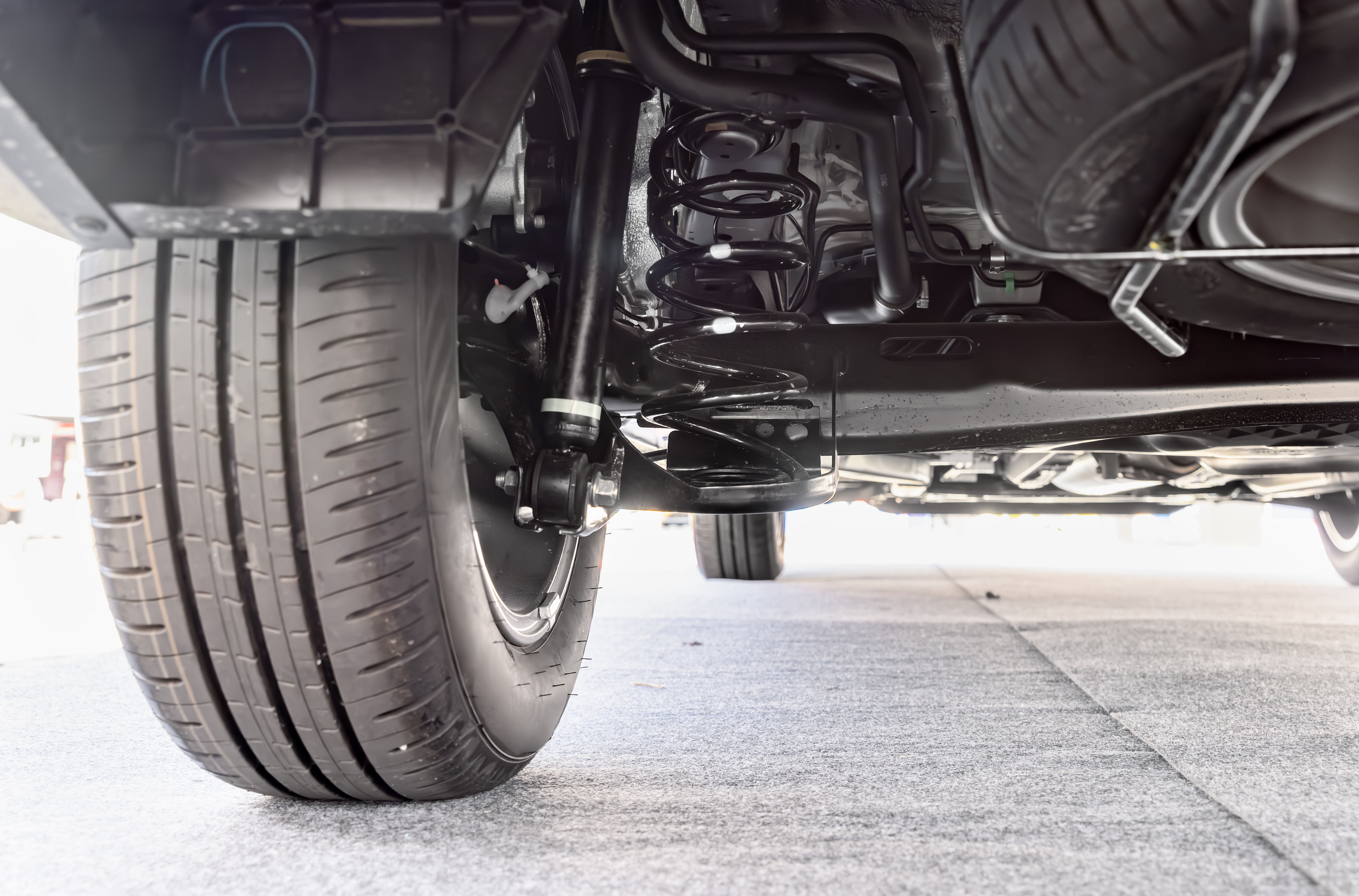
Key Components of a Suspension System
The suspension system is made up of several key components, each playing a vital role in the vehicle's operation:
- Springs: These absorb the impact from bumps and uneven surfaces.
- Shock Absorbers: These control the movement of the springs and prevent excessive bouncing.
- Struts: These combine the functions of springs and shock absorbers into one unit.
- Control Arms: These connect the wheels to the frame of the vehicle, allowing for smooth movement.
Signs Your Suspension System Needs Repair
Recognizing the signs of a failing suspension system can prevent further damage and costly repairs. Common indicators include:
- Unusual Noises: Clunking or squeaking sounds when driving over bumps.
- Uneven Tire Wear: This may indicate misalignment or worn components.
- Leaning or Sagging: A noticeable lean to one side can signal a spring issue.
- Poor Handling: Difficulty steering or excessive bouncing can point to shock absorber problems.
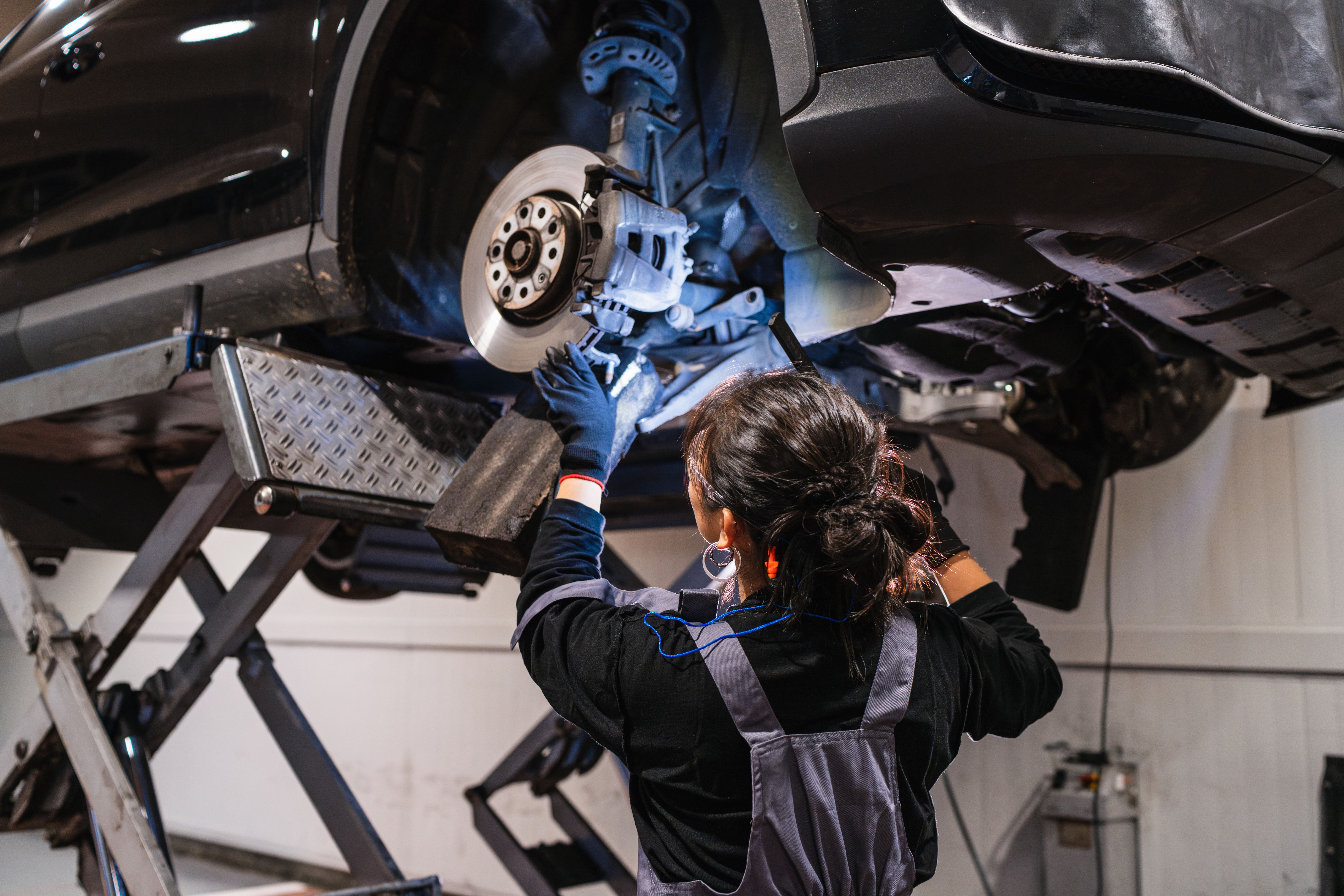
Diagnostic Procedures for Suspension Issues
If you suspect a problem with your suspension, a thorough diagnostic procedure is essential. A professional mechanic will usually conduct:
- Visual Inspection: Checking for leaks, wear, and damage.
- Test Drive: Evaluating the vehicle's performance on the road.
- Alignment Check: Ensuring the wheels are properly aligned.
Common Suspension Repairs and Costs
Suspension repairs can range from simple to complex. Common repairs include:
- Replacing Shock Absorbers: This typically costs between $200 and $500 per pair.
- Spring Replacement: Costs can range from $400 to $700.
- Control Arm Replacement: This can be $150 to $400 per arm.
Preventive Maintenance Tips
Regular maintenance can extend the life of your suspension system and improve vehicle performance. Here are some tips:
- Regular Inspections: Have your suspension system inspected every 12,000 miles.
- Wheel Alignment: Ensure your wheels are aligned every 6,000 miles.
- Monitor Tire Pressure: Proper tire pressure reduces suspension strain.
Conclusion
Understanding your suspension system and recognizing when repairs are needed is crucial for maintaining your vehicle's safety and comfort. Regular maintenance and prompt attention to issues can save you time and money in the long run. Always consult with a professional mechanic for accurate diagnostics and repairs.